Be yourself; Everyone else is already taken.
— Oscar Wilde.
This is the first post on my new blog. I’m just getting this new blog going, so stay tuned for more. Subscribe below to get notified when I post new updates.
Be yourself; Everyone else is already taken.
— Oscar Wilde.
This is the first post on my new blog. I’m just getting this new blog going, so stay tuned for more. Subscribe below to get notified when I post new updates.
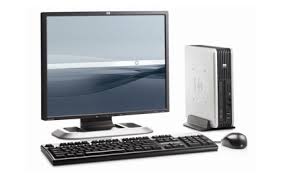
الحاسب الآليّ أو الحاسوب أو الكمبيوتر هو أداة من صنع الإنسان، لديها القدرة على تنفيذ مجموعة من الإجراءات تلقائيّاً، وإخراج النتائج، ويمكنها تخزين كميّات كبيرة من البيانات، وإجراء العمليّات الحسابيّة المعقّدة،[١] ويمكّن الحاسوب المستخدم من تصفّح الإنترنت، وإرسال رسائل إلكترونيّة، ولعب الألعاب، وكتابة المستندات، وإنشاء الجداول وتعديلها من خلاله.[٢] مكوّنات الحاسب الآلي المكونات الماديّة المكوّنات الماديّة مسؤولة عن عمل أجزاء الحاسوب التي تقوم بمعالجة البيانات وهي وحدات الإدخال، والمعالجة، والإخراج، والتخزين، وتتفاعل هذه الأقسام مع بعضها من خلال إدخال البيانات باستخدام أدوات الإدخال، ومن ثم يتم معالجتها باستخدام وحدة المعالجة المركزيّة التي تحتوي على دوائر إلكترونيّة تحوّل البيانات إلى معلومات يستطيع المستخدم قراءتها، ومن ثم تظهر النتائج بواسطة أدوات الإخراج، ويمكن تخزينها لاستخدامها لاحقاً من خلال وحدات التخزين مثل الأقراص المدمجة، أو في ذاكرة الحاسوب الرئيسيّة.[٣]
البرمجيّات هي مجموعة من التعليمات التي تخبر أجزاء الحاسوب المختلفة ما الذي يجب أن تقوم به، وكيفية القيام بذلك، وتشمل برامج تصفّح الويب، والألعاب، وبرامج معالجة النصوص مثل مايكروسوفت وورد (بالإنجليزيّة: Microsoft Word)، وبرنامج إنشاء العروض التقديمية البوربوينت (بالإنجليزيّة: Power Point) .[٢] أنواع الحاسب الآلي يمكن تقسيم أنواع الحاسب الآلي من حيث القوة والحجم إلى الأنواع الآتية:[٤] الحاسب الآليّ الشخصيّ (بالإنجليزيّة: Personal computer): الحاسب الآليّ الشخصيّ هو جهاز صغير يعتمد على معالج دقيق، ويستخدمه شخص واحد فقط. حاسوب محطّة العمل (بالإنجليزيّة: Workstation): وهو جهاز قويّ، يمكن استخدامه من قبل شخص واحد فقط أيضاً، ويستخدم معالج دقيق أكثر قوّةً بالمقارنة مع الحاسوب الشخصيّ، وبشكل عام فإنّ جودته أفضل. الحاسب الآلي الصغير (بالإنجليزيّة: Minicomputer): وهو جهاز قادر على خدمة مئات المستخدمين في وقت واحد. الحاسب المركزيّ (بالإنجليزيّة: Mainframe): وهو جهاز متعدّد المستخدمين، وقادر على دعم المئات، أو الآلاف من المستخدمين في وقت واحد. الحاسب الفائق (بالإنجليزيّة: Supercomputer): وهو جهاز كمبيوتر سريع للغاية، ويمكنه آداء مئات الملايين من الإرشادات في الثانية
This is an example post, originally published as part of Blogging University. Enroll in one of our ten programs, and start your blog right.
You’re going to publish a post today. Don’t worry about how your blog looks. Don’t worry if you haven’t given it a name yet, or you’re feeling overwhelmed. Just click the “New Post” button, and tell us why you’re here.
Why do this?
The post can be short or long, a personal intro to your life or a bloggy mission statement, a manifesto for the future or a simple outline of your the types of things you hope to publish.
To help you get started, here are a few questions:
You’re not locked into any of this; one of the wonderful things about blogs is how they constantly evolve as we learn, grow, and interact with one another — but it’s good to know where and why you started, and articulating your goals may just give you a few other post ideas.
Can’t think how to get started? Just write the first thing that pops into your head. Anne Lamott, author of a book on writing we love, says that you need to give yourself permission to write a “crappy first draft”. Anne makes a great point — just start writing, and worry about editing it later.
When you’re ready to publish, give your post three to five tags that describe your blog’s focus — writing, photography, fiction, parenting, food, cars, movies, sports, whatever. These tags will help others who care about your topics find you in the Reader. Make sure one of the tags is “zerotohero,” so other new bloggers can find you, too.
هل لديك حساب على WordPress.com؟ سجِّل الدخول الآن.

